

Introduction
Email marketing plays a crucial role in digital marketing strategies, helping businesses connect with their audience, promote their products or services, and build strong customer relationships. In today’s digital age, where people rely on email for communication, understanding the process and effectiveness of email marketing is essential for businesses to succeed.
Importance of email marketing in digital marketing strategies
Email marketing holds significant importance in digital marketing strategies for several reasons. First, it allows businesses to reach a large number of people instantly and cost-effectively. With just a few clicks, businesses can send personalized messages to their subscribers, keeping them informed about new offerings, promotions, or updates.
Second, email marketing enables businesses to target their audience precisely. By segmenting their email lists based on demographics, interests, or past interactions, businesses can tailor their messages and offer relevant content to different groups of people. This targeted approach increases the chances of engaging recipients and driving desired actions, such as making a purchase or signing up for a service.
Understanding Email Marketing
Email marketing is a powerful strategy used by businesses to connect with their customers, promote products or services, and build strong relationships. Let’s delve into its definition and the significant benefits it offers to businesses.
Definition and Significance of Email Marketing
Email marketing is a powerful strategy used by businesses to connect with their customers, promote products or services, and build strong relationships. It involves sending targeted emails to a group of people who have willingly provided their email addresses to a business. These emails can contain various types of content, such as newsletters, promotional offers, event invitations, or informative updates.
The significance of email marketing lies in its effectiveness as a direct communication channel. Unlike social media or online ads, emails land directly in the recipient’s inbox, ensuring a higher chance of reaching them. With email marketing, businesses can deliver personalized messages and offers, increasing customer engagement and driving desired actions like making a purchase or visiting a website.
Benefits of Email Marketing for Businesses

Increased Reach and Engagement: Email marketing allows businesses to reach a large number of people instantly. By delivering personalized content, businesses can grab the attention of their audience and encourage them to take action. This can result in increased website traffic, conversions, and revenue.
Cost-Effective: Compared to traditional marketing methods, email marketing is a cost-effective strategy. Businesses can reach a wide audience at a fraction of the cost of other advertising channels. It eliminates the need for printing and postage, making it an affordable option for businesses of all sizes.
Targeted Approach: Email marketing enables businesses to segment their audience based on various factors like demographics, interests, or past interactions. This targeted approach ensures that recipients receive relevant content, increasing the chances of engagement and conversion. Businesses can tailor their messages to different segments, delivering personalized experiences.
Measurable Results: Email marketing provides businesses with valuable data and insights. They can track metrics like open rates, click-through rates, and conversion rates to measure the success of their campaigns. This data helps businesses analyze customer behavior, refine their strategies, and continually improve their email marketing efforts.
Relationship Building: Email marketing allows businesses to build and nurture relationships with their customers. By delivering valuable content, helpful tips, and exclusive offers, businesses can establish trust and credibility with their audience. This can lead to increased customer loyalty and repeat business.
Building an Email List
Strategies for Acquiring Email Subscribers
Building an email list is a crucial step in email marketing. It involves gathering a group of people who are interested in receiving emails from your business. Here are some strategies to acquire email subscribers:
Website Sign-up Forms: Place sign-up forms on your website, allowing visitors to voluntarily provide their email addresses. Offer incentives like exclusive content, discounts, or free resources to encourage sign-ups.
Social Media Promotion: Promote your email list on social media platforms, inviting your followers to join. Create engaging posts and highlight the benefits of subscribing to your emails.
Content Upgrades: Offer valuable content upgrades, such as ebooks, guides, or templates, in exchange for email addresses. This way, people can access the additional content by subscribing to your email list.
Events and Webinars: Collect email addresses from attendees at events or webinars by offering registration options. Ensure you have consent to add them to your email list.
Importance of Permission-Based Email Marketing and Obtaining Consent
Permission-based marketing is a crucial principle in email marketing. It means that you should obtain consent from individuals before adding them to your email list. Here’s why it’s important:
Respect for Privacy: Obtaining consent shows respect for people’s privacy and ensures you are not sending unwanted emails. It builds trust and enhances your reputation as a responsible and ethical business.
Legal Compliance: In many countries, including the United States and the European Union, there are laws and regulations that require businesses to obtain explicit consent for email marketing. Following these laws protects you from legal issues and potential penalties.
Better Engagement and Results: When people willingly subscribe to your emails, they are more likely to engage with your content, open your emails, and take desired actions. This leads to higher engagement rates, increased conversions, and better overall results from your email marketing campaigns.
Unsubscribing and Opt-Out Options: By obtaining consent, you also provide recipients with the option to unsubscribe or opt out of your emails if they no longer wish to receive them. This respects their preferences and allows them to control their email preferences.
Building an email list is essential for effective email marketing. Using strategies like website sign-up forms, social media promotion, content upgrades, and events can help you acquire email subscribers. Remember to prioritize permission-based marketing and obtain consent to ensure compliance, respect privacy, and achieve better engagement and results from your email marketing efforts.
Crafting Compelling Email Content
Importance of Targeted and Personalized Content
When it comes to email marketing, sending generic emails to a large group of people may not yield the best results. That’s where targeted and personalized content comes into play. Here’s why it’s important:
Connect with Your Audience: By tailoring your emails to specific groups of people, you can create a stronger connection with your audience. Understanding their interests, preferences, and needs allows you to deliver content that resonates with them.
Increase Engagement: Personalized emails are more likely to grab the attention of your recipients and encourage them to engage with your content. When people feel like the email was crafted specifically for them, they are more inclined to open, read, and take action.
Drive Conversions: Targeted and personalized emails have higher conversion rates because they are more relevant and compelling. When you provide content that addresses the specific needs of your audience, it increases the chances of them taking the desired actions, such as making a purchase or signing up for an event.
Elements of a Successful Email Campaign: Subject Line, Body, Call-to-Action
To create an effective email campaign, you need to pay attention to three key elements: the subject line, the body of the email, and the call-to-action (CTA).
Subject Line: The subject line is the first thing recipients see in their inboxes. It should be attention-grabbing, concise, and relevant to the content of the email. A compelling subject line entices recipients to open the email and discover what’s inside.
Body of the Email: The body of the email should deliver the main message and provide valuable content to the reader. Keep it concise, well-structured, and easy to read. Use a friendly tone and personalize the content whenever possible.
Call-to-Action (CTA): The CTA is a crucial element that tells the recipient what action to take. It should be clear, prominent, and compelling. Use action-oriented language and make it easy for recipients to take the desired action, such as clicking a link or making a purchase.
Best Practices for Writing Engaging and Persuasive Email Content
To write engaging and persuasive email content, consider the following best practices:
Know Your Audience: Understand your target audience’s needs, preferences, and pain points. Tailor your content to address their specific interests and provide value.
Use Clear and Concise Language: Keep your sentences and paragraphs short and easy to understand. Use bullet points and headings to organize the content and make it scannable.
Personalize When Possible: Address recipients by their names and personalize the content based on their previous interactions or preferences. This makes the email feel more personal and relevant.
Incorporate Visuals: Include relevant images, videos, or infographics to make your emails visually appealing and engaging. Visual content can help convey your message effectively.
Test and Optimize: Continuously test different elements of your emails, such as subject lines, CTAs, and content formats. Analyze the results and make adjustments based on the data to optimize your email campaigns.
Crafting compelling email content is crucial for capturing your audience’s attention and driving engagement and conversions. By targeting and personalizing your content, paying attention to the subject line, body, and CTA, and following best practices for writing engaging content, you can create effective and persuasive email campaigns that resonate with your audience.
Designing and Optimizing Email Campaigns
Importance of visually appealing and mobile-responsive email designs
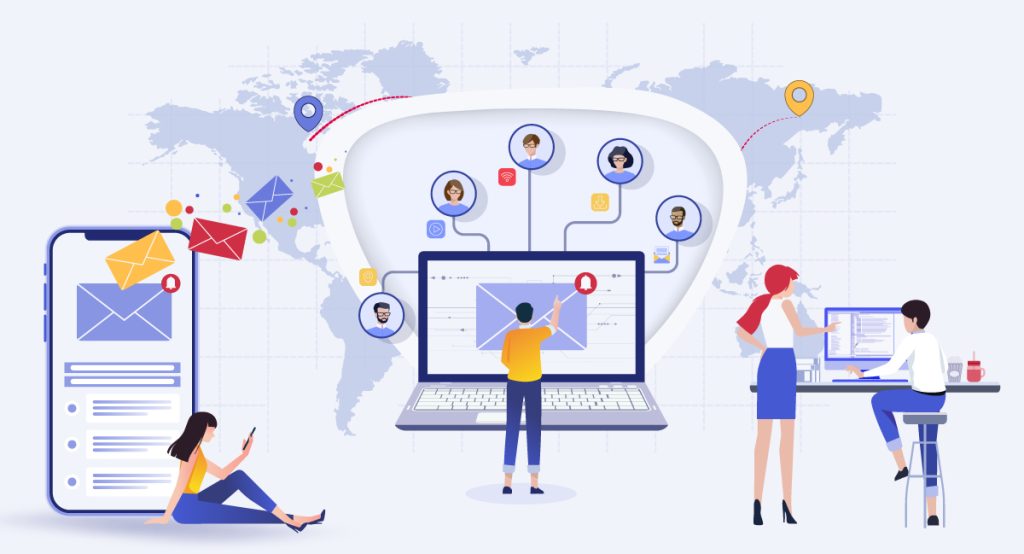
When designing email campaigns, it’s crucial to create visually appealing and mobile-responsive layouts. Visual appeal helps capture the attention of recipients and makes your emails more engaging. Including eye-catching graphics, images, and color schemes can make your content more visually appealing and enhance the overall user experience.
Additionally, optimizing your emails for mobile devices is essential since a significant portion of users access their emails on smartphones and tablets. By ensuring your email design adjusts seamlessly to different screen sizes, you provide a seamless experience for recipients, making it easier for them to read and interact with your content.
A/B testing and optimization techniques to improve campaign performance
To maximize the effectiveness of your email campaigns, it’s important to employ A/B testing and optimization techniques. A/B testing involves creating two versions of an email with slight variations and sending them to different segments of your audience. By comparing the performance of each version, you can identify which elements, such as subject lines, visuals, or call-to-action buttons, yield better results. This iterative process allows you to refine your campaigns and make data-driven decisions to improve open rates, click-through rates, and overall campaign performance.
In addition to A/B testing, optimization techniques involve analyzing key metrics, such as conversion rates and engagement metrics, to identify areas for improvement. By monitoring the performance of your email campaigns and making adjustments based on the data, you can continuously optimize your strategies for better results. This may involve refining your targeting, adjusting the frequency of emails, or experimenting with different content formats.
By designing visually appealing and mobile-responsive email campaigns and implementing optimization techniques, you can enhance the effectiveness of your email marketing efforts and drive better engagement and conversions.
Email Automation and Segmentation
Utilizing automation tools to streamline email campaigns
In the world of email marketing, automation tools play a vital role in simplifying and streamlining the process. These tools allow marketers to automate various tasks, such as sending welcome emails to new subscribers, scheduling follow-up messages, and delivering personalized content based on specific triggers or actions. By utilizing automation, businesses can save time and effort while ensuring consistent communication with their audience.
Automation tools provide features like email scheduling, drip campaigns, and triggered emails. For example, when a customer signs up for a newsletter, an automated welcome email can be instantly sent to greet them and provide valuable information. This helps in building a strong connection from the start and keeps the communication flow steady.
Segmenting email lists for better targeting and personalization
Segmentation is a powerful technique that involves dividing your email list into smaller groups based on specific criteria. By segmenting your list, you can send targeted and personalized messages to different segments of your audience. This allows you to tailor your content and offers based on the interests, preferences, and behaviors of each segment.
Segmentation can be done based on various factors such as demographics, purchase history, engagement levels, or geographic location. For example, if you have an online clothing store, you can create segments for male and female customers and send them relevant product recommendations or promotions based on their gender. This level of personalization increases the chances of engagement and conversion since the content resonates more with the recipients’ interests and needs.
By leveraging automation tools and implementing effective segmentation strategies, businesses can optimize their email campaigns for better engagement and results. These techniques help in delivering the right message to the right audience at the right time, enhancing the overall effectiveness of email marketing efforts.
Analyzing and Measuring Email Campaigns

Key metrics to track and measure email campaign success
When running an email campaign, it is essential to track and measure its success to understand how well it is performing and make necessary improvements. There are several key metrics that marketers use to evaluate the effectiveness of their email campaigns:
Open Rate: This metric indicates the percentage of recipients who opened the email. A higher open rate suggests that the subject line and preview text were compelling enough to capture the recipient’s attention.
Click-Through Rate (CTR): The CTR measures the percentage of recipients who clicked on a link within the email. It helps determine how engaging the email content is and whether it motivates recipients to take action.
Conversion Rate: The conversion rate indicates the percentage of recipients who completed a desired action, such as making a purchase, filling out a form, or subscribing to a service. It reflects the effectiveness of the email in driving desired outcomes.
Using analytics to gain insights and make data-driven decisions
Analyzing the data collected from email campaigns provides valuable insights that can inform future strategies and improve results. By leveraging analytics tools, marketers can gain a deeper understanding of their audience’s behavior, preferences, and engagement patterns. Here are some ways analytics can help:
Audience Segmentation: Analyzing data allows marketers to identify segments of their audience that are most responsive and engaged. This information can be used to refine targeting and create more personalized campaigns.
• Content Optimization: Analytics provide insights into which types of content perform best. Marketers can identify trends, understand what resonates with their audience, and optimize future campaigns accordingly.
Testing and Experimentation: Analytics help measure the impact of different elements, such as subject lines, call-to-action buttons, or visuals. Marketers can run A/B tests to compare variations and make data-driven decisions on what works best.
By regularly analyzing email campaign data and using the insights gained, businesses can optimize their strategies, improve engagement, and achieve better results. Analytics empower marketers to make informed decisions and continuously refine their email marketing efforts for maximum impact.
Compliance and Legal Considerations
Understanding email marketing laws and regulations
When engaging in email marketing, it’s important to adhere to various laws and regulations to ensure ethical practices and protect recipients’ privacy. Here are some key considerations:
CAN-SPAM Act: This law sets rules for commercial email messages, requiring them to include accurate sender information, a clear way to opt-out, and truthful subject lines.
GDPR: The General Data Protection Regulation applies to businesses targeting individuals in the European Union (EU). It emphasizes consent, data protection, and the right to be forgotten.
CASL: The Canadian Anti-Spam Legislation requires businesses to obtain consent from recipients before sending commercial electronic messages, including email.
Best practices for staying compliant with anti-spam laws
To maintain compliance with anti-spam laws and regulations, follow these best practices:
Permission-based Marketing: Obtain explicit consent from recipients before sending them marketing emails. Use double opt-in methods to ensure confirmation.
Opt-Out Options: Include a visible and easy-to-use unsubscribe link in every email. Honor unsubscribe requests promptly to respect recipients’ preferences.
Clear and Honest Communication: Provide accurate sender information and subject lines that reflect the content of the email. Avoid deceptive tactics to increase open rates.
Data Security: Implement measures to protect personal data collected through email marketing. Use secure servers, encryption, and follow data protection guidelines.
By understanding and adhering to email marketing laws and regulations, businesses can build trust, maintain a positive reputation, and ensure their email campaigns are ethical and compliant. Taking these steps not only protects recipients but also safeguards the business from potential legal issues and penalties.
Future Trends and Innovations in Email Marketing
Emerging technologies and their impact on email marketing
Email marketing continues to evolve alongside advancements in technology. Let’s explore some emerging technologies and their potential impact on the future of email marketing:
Artificial Intelligence (AI): AI can revolutionize email marketing by enabling personalized and dynamic content based on user behavior and preferences. It can automate email campaigns, analyze data, and provide valuable insights for better targeting and engagement.
Machine Learning (ML): ML algorithms can help improve email deliverability by predicting and filtering spam, ensuring that legitimate emails reach the intended recipients’ inboxes. ML can also analyze user interactions to optimize email content and timing.
Automation and Workflows: Automation tools are becoming more sophisticated, allowing marketers to create intricate email workflows triggered by specific user actions. This enables personalized and timely communication throughout the customer journey.
Predictions for the future of email marketing and its evolution
As we look ahead, here are some predictions for the future of email marketing:
Hyper-Personalization: Email campaigns will become even more tailored to individual recipients, with dynamic content and recommendations based on user preferences, behaviors, and real-time data.
Interactive Emails: Emails will become more interactive, allowing recipients to engage with content directly within the email itself. This could include interactive surveys, quizzes, product previews, and more.
Omnichannel Integration: Email marketing will integrate seamlessly with other channels, such as social media and messaging apps, creating cohesive and personalized customer experiences across multiple touchpoints.
Data-Driven Insights: Marketers will rely heavily on data analytics to gain deeper insights into customer behavior, enabling them to refine email strategies, optimize campaigns, and measure the impact of their efforts.
Mobile-Centric Approach: With the increasing use of mobile devices, email marketing will be further optimized for mobile responsiveness and user experience, ensuring that emails are easily readable and actionable on smaller screens.
The future of email marketing is exciting, with emerging technologies and evolving strategies driving innovation and improved results. As businesses adapt to these trends, they will have the opportunity to engage customers in more personalized and meaningful ways, ultimately enhancing their overall marketing efforts.
Conclusion
To wrap up, email marketing is a valuable and powerful tool for businesses in today’s digital world. It enables personalized communication, cost-effective campaigns, and measurable results. As technology continues to evolve, the future of email marketing looks promising with advancements in AI and automation.
By recognizing the significance of strategic email marketing and staying informed about industry trends, businesses can harness the full potential of this marketing approach. So, if you’re looking to engage your audience, drive conversions, and build lasting relationships with your customers, email marketing is an essential strategy to consider.