

Introduction
In the digital age, email address serve as essential communication channels. However, not all email addresses are created equal. Understanding the difference between invalid and valid email addresses is crucial for effective email marketing, communication, and data management.
In this article, we will delve into the characteristics of valid and invalid email addresses, the importance of email verification, strategies for capturing valid email addresses, when to clean your email list, what to do with invalid email addresses, and best practices for optimizing your email communication efforts.
The Difference Between Invalid and Valid Email Addresses
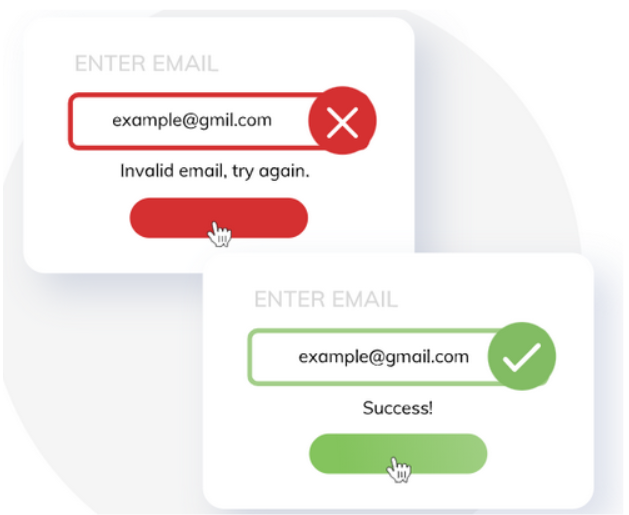
Invalid and valid email addresses can significantly impact the success of your email campaigns and overall communication efforts. Let’s explore the key distinctions between them:
Valid Email Address:
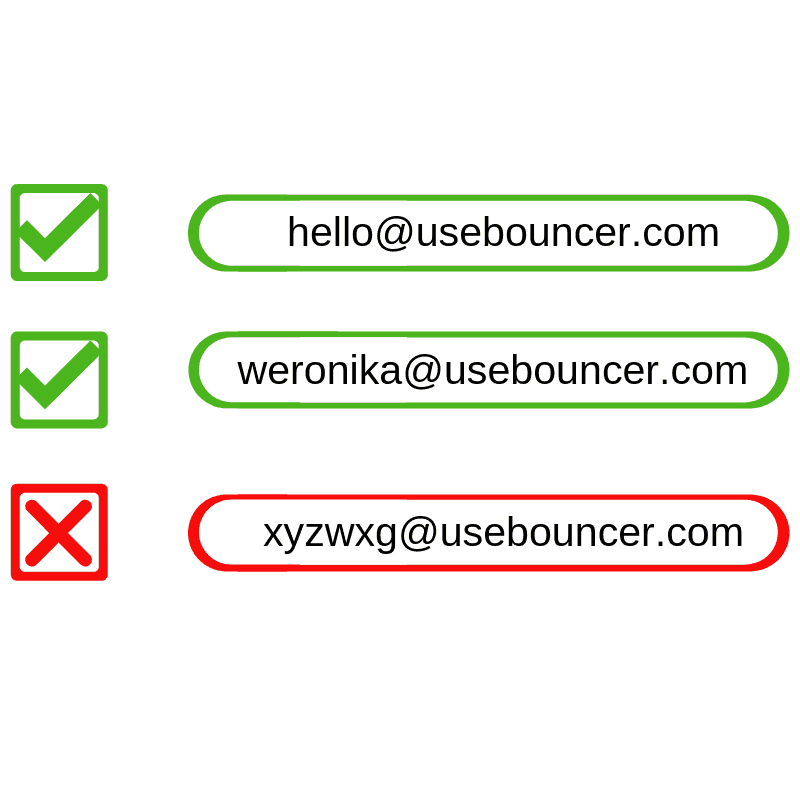
A valid email address adheres to specific formatting rules. It consists of two parts: the local part and the domain part. The local part typically contains a combination of alphanumeric characters and special characters, such as dots, underscores, or hyphens. It is followed by the “@” symbol, connecting it to the domain part.
The domain part represents the domain name of the email address, which typically includes a company or organization name and is followed by a top-level domain (TLD) such as .com, .net, or .org. Valid email addresses conform to these formatting rules and are considered deliverable and genuine.
Invalid Email Address:
Invalid email addresses can arise due to various factors, rendering them undeliverable or non-existent. Some common reasons for invalid addresses include typographical errors (such as misspelled domain names or incorrect username formats), non-existent domains (where the domain does not exist or has expired), and the use of disposable or temporary email services that generate short-lived addresses. Invalid email addresses can lead to high bounce rates, reduced deliverability, and negative impacts on sender reputation.
Why Email Verification is Important
Email verification is the process of confirming the deliverability and authenticity of an email address. It plays a pivotal role in ensuring the accuracy and deliverability of your emails. Here’s why email verification is important:
Enhanced Deliverability: By verifying email addresses, you can identify and eliminate invalid or non-existent addresses from your contact list. This reduces the chances of sending emails to addresses that will bounce back, improving your overall deliverability rates.
Improved Sender Reputation: When you maintain a clean email list with verified addresses, you minimize the risk of sending emails to spam traps or inactive accounts. This helps maintain a positive sender reputation, ensuring that your future emails reach the intended recipients’ inboxes.
Better Engagement and Metrics: Email verification ensures that your emails are reaching engaged and genuine recipients. By targeting a more responsive audience, you can expect higher open rates, click-through rates, and overall engagement metrics. This leads to more effective email marketing campaigns and improved ROI.
When to Clean Your Email List
Regularly cleaning your email list is essential to maintain its quality and effectiveness. Here are some indicators that it’s time to clean your email list:
High Bounce Rates: If you notice consistently high bounce rates, especially for undeliverable addresses, it’s a strong indication that your list requires cleaning. Bounces can be categorized as either “hard bounces” (permanent failures) or “soft bounces” (temporary failures). Cleaning your list ensures you remove hard bounces, which can harm your sender reputation.
Low Engagement Metrics: If you observe consistently low open rates, click-through rates, or other engagement metrics, it may be a sign that your list contains inactive or unengaged subscribers.
Cleaning your list allows you to focus on the contacts who are genuinely interested in your content, improving the effectiveness of your campaigns.
Outdated or Stale Data: If you haven’t cleaned your list in a long time, it’s possible that the contact information has become outdated or stale. People change jobs, switch email providers, or abandon old accounts.
Cleaning your list helps ensure you have accurate and up-to-date information, enabling more targeted and relevant communication.
What to Do with Invalid Email Address
Dealing with invalid email addresses requires a thoughtful approach. Instead of disregarding them completely, consider implementing the following actions:
Remove Them from Active Campaigns: Exclude invalid email addresses from your active email campaigns. By doing so, you avoid wasting resources on undeliverable addresses and maintain the focus on engaged recipients.
Implement a Re-engagement Campaign: For email addresses that may still be valid but have shown limited engagement, consider implementing a re-engagement campaign.
Craft personalized messages to entice recipients to interact with your content again. If they continue to show disinterest, consider removing them from your list.
Explore Alternative Communication Channels: If you have valid contact information other than email addresses, such as phone numbers or social media profiles, consider utilizing those channels to maintain communication with recipients. Adapt your communication strategy to reach out through channels that are more likely to engage your audience.
How to Capture Valid Email Addresses
Capturing valid email addresses is the foundation of building a high-quality contact list. Here are some effective strategies for capturing valid email addresses:
Opt-in Forms: Embed opt-in forms on your website or landing pages to encourage visitors to willingly provide their email addresses. Clearly communicate the value they will receive by subscribing to your emails, such as exclusive content, updates, or special offers.
Lead Magnets: Offer valuable lead magnets, such as e-books, whitepapers, or webinars, in exchange for email addresses. Ensure that the content you provide aligns with your target audience’s interests and offers genuine value.
Gated Content: Restrict access to premium or exclusive content and require visitors to provide their email addresses to unlock it. This strategy entices individuals who are genuinely interested in your offerings to subscribe and receive additional valuable resources.
Social Media Promotions: Leverage your social media platforms to run promotions or giveaways that require participants to provide their email addresses for entry. This not only helps capture valid email addresses but also increases your social media following and engagement.
Offline Events: If you conduct offline events, such as conferences or trade shows, create opportunities to collect email addresses. Use physical sign-up sheets, business card collections, or QR codes that lead to an email capture form.
Personalized Interactions: Engage in personalized interactions with your audience, such as through one-on-one conversations, webinars, or workshops. Collect email addresses during these interactions with the recipient’s consent, ensuring compliance with data protection regulations.
Conclusion
Distinguishing between invalid and valid email address is crucial for maintaining a clean and responsive email list. By understanding the characteristics of each, implementing email verification practices, regularly cleaning your email list, handling invalid email addresses appropriately, and employing effective strategies for capturing valid addresses, you can optimize your email communication efforts.
Remember, an email list with verified and valid addresses paves the way for more meaningful connections, higher engagement rates, and ultimately, a stronger foundation for your business’s email communication.
Prioritize email verification and data hygiene to unlock the true potential of your email marketing campaigns and build lasting relationships with your audience.